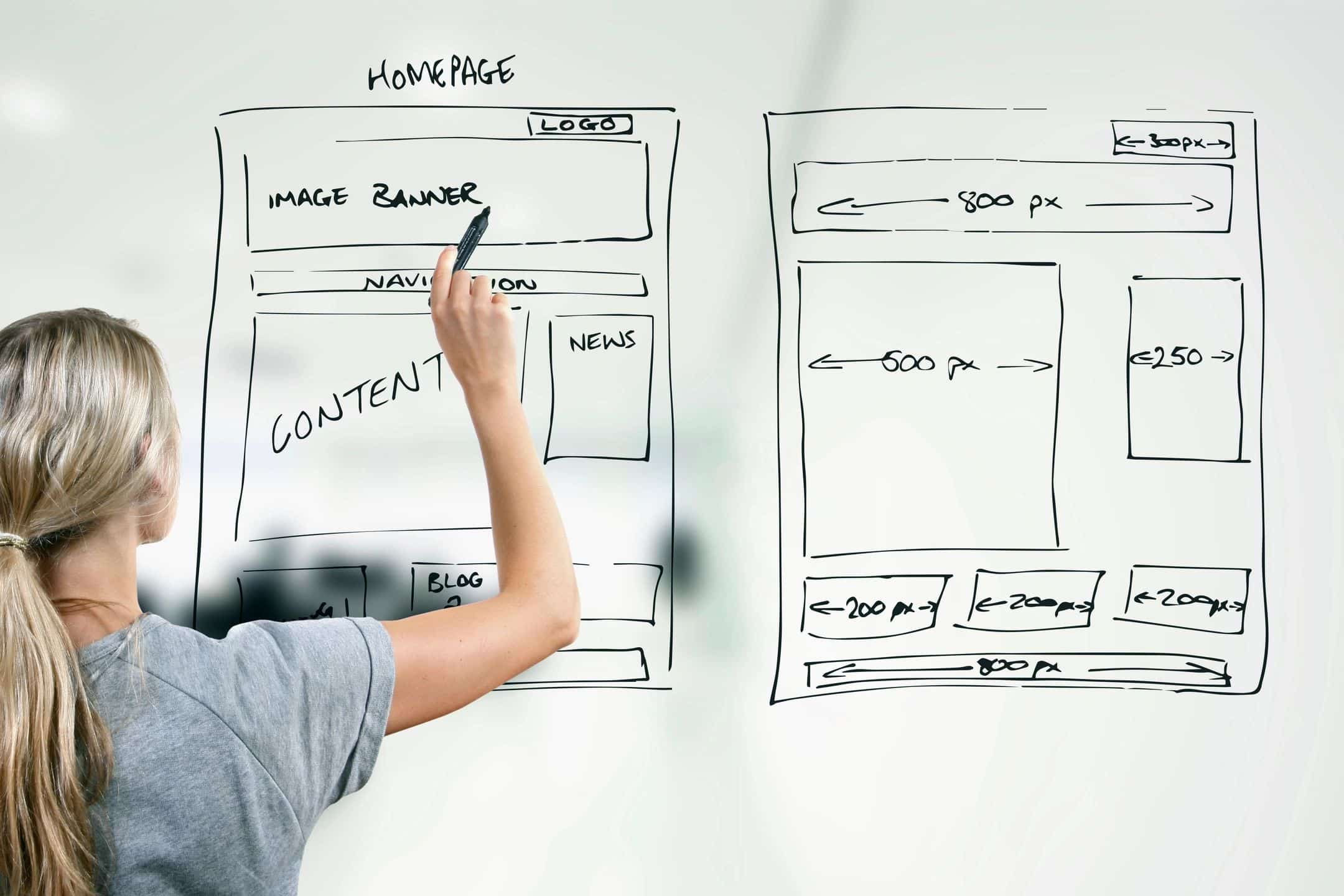
Imagine showing up to bid a custom kitchen remodel and pulling out a one‑size‑fits‑all blueprint. The homeowner would raise an eyebrow and call the next contractor. That’s exactly what happens when prospects land on a templated contractor website—except you never hear the click as they leave. Let’s break down why templates cost you leads, money, and long‑term growth, and why a custom site pays for itself like a tool that never wears out.
1. First Impressions: Templates Scream “Generic”
Your website is the digital front door to your business. A template is like a faded welcome mat everyone on the block owns. Visitors notice the same stock photos, the same hero headline, the same layout they saw on three other contractor sites that morning. When homeowners stare at a six‑figure renovation budget, they want the crew that sweats the small stuff. A cookie‑cutter design whispers the opposite: We’re just okay.
Pro Tip:
Custom design lets you showcase real project photos, branded colors, and a clear value statement—so prospects remember you, not a theme marketplace.
2. SEO Headwinds: Google Loves Originality
Search engines reward pages that offer unique value. Templates often ship with pre‑filled headings such as “Our Services” or “Quality Craftsmanship Since 19XX.” Thousands of sites reuse the same copy, diluting its power. Duplicate code structures can also trigger algorithmic yawns.
- Thin Content: Placeholder text invites you to fill it in later…and later never arrives.
- Bloated Code: Templates load extra scripts for features you’ll never use, slowing pages and dropping rankings.
- Limited Schema: Pre‑built sites rarely include the custom schema markup that helps Google understand your location, services, and FAQs.
Pro Tip:
A custom build lets you weave real keywords—like “kitchen remodeler in Bucks County”—into titles, meta descriptions, and your project portfolio, giving Google fresh material to rank.
3. Flexibility: Templates Trap You in a Box
When you need a new landing page for a seasonal promotion or a city‑specific service area, template constraints turn quick ideas into long email chains with a developer—or worse, they block the change entirely.
- Rigid Grid Systems: You can’t rearrange sections without breaking design harmony.
- Hard‑Coded Styles: Fonts, button shapes, and color palettes lock you into someone else’s taste.
- Plugin Dependency: Many templates rely on drag‑and‑drop builders that slow the site and can’t handle complex customizations.
Custom sites act more like modular job trailers: easy to expand, reconfigure, or roll to the next marketing campaign.
4. Performance: Speed Wins Projects
Templates often pack extra animations, unused fonts, and outdated libraries. That bloat drags load times past Google’s recommended 2.5‑second mark for Largest Contentful Paint (LCP). Prospects on mobile drop off faster than a ladder leaning on wet grass.
Real‑World Example:
A deck builder swapped a template for a lean custom theme. Page load time dropped from 4.7 seconds to 1.8 seconds, bounce rate fell 28 percent, and qualified leads rose 37 percent in two months.
5. Storytelling: Templates Hide Your Craftsmanship
A general “Our Work” gallery buried under the Services tab doesn’t do justice to a six‑month whole‑house renovation. Custom design lets you create:
- Before‑and‑After Sliders that impress at a glance.
- Interactive Floor Plans that pop up photos at each stage.
- Process Timelines that educate homeowners on your start‑to‑finish approach.
These storytelling tools build trust the way jobsite walk‑throughs reassure clients that every stud is plumb.
6. Trust Signals: One Size Does Not Fit All
Templates might include spots for testimonials, but they rarely highlight the licenses, bonds, or safety certifications that serious customers check.
- Insurance Limits: Show them proudly.
- Project Manager Bios: Put faces to names.
- Trade Partner Logos: Display your vetted network.
Custom layout lets you surface these confidence builders where eyeballs naturally land—above the fold on mobile and desktop.
7. Hidden Costs: Free Templates Are Never Free
“Free” themes lure you in, then hit you with premium plugin upgrades, monthly page‑builder fees, or pricey developer hours when something breaks during an update. Over time, that patchwork costs more than commissioning a streamlined, purpose‑built site from day one.
- Security Risks: Abandoned templates stop receiving patches, opening doors to hacks.
- Migration Pain: Moving off a bloated theme later can feel like demoing a load‑bearing wall—expensive and stressful.
- Brand Damage: Downtime and slow speeds tarnish reputation during your busiest seasons.
8. Competitive Edge: Stand Out in a Crowded Market
Your region might have dozens of contractors. If half of them use the same template, they blend together like identical spec homes on a suburban street. A custom site lets you:
- Position Uniquely: Emphasize specialization—aging‑in‑place remodels, energy‑efficient builds, or rapid disaster recovery.
- Capture Micro‑Intents: Create pages for “kitchen bump‑out rehabs” or “historic home restorations,” ranking for terms big players overlook.
- Own Your Visual Identity: Distinct colors, typography, and voice make every page unmistakably yours.
Remember: prospects rarely shortlist more than three contractors. A tailored online presence nudges you onto that short list.
9. Longevity: Build Once, Adapt for Years
Templates chase trends—frosted glass buttons today, parallax scroll tomorrow. Custom design focuses on timeless UX principles: readable text, intuitive navigation, and strong calls to action. You get a stable base that scales as you add services, hire staff, or expand territories—no need to tear down and rebuild every couple of years.
10. Ownership and Control: Your Site, Your Rules
Many template providers tie your content to their platform. Leave, and you lose pages, forms, or design assets. A custom site—especially on open‑source CMS platforms—gives you full ownership. It’s the digital equivalent of owning your tools outright instead of renting flimsy replacements each week.
Final Nail: Templates Undercut the Very Quality You Sell
Quality craftsmanship is your brand. Using a template telegraphs the opposite message—we cut corners online, so maybe we cut corners on site. A custom website aligns with the premium experience you deliver in person, turning visitors into leads and leads into signed contracts.
Ready to Trade That Cookie‑Cutter Site for a Custom Build?
Sometimes a professional eye spots the small cracks that let prospects slip away. Grab a free, no‑strings homepage review and get clear, tailored tips to upgrade your online foundation. Claim yours here.