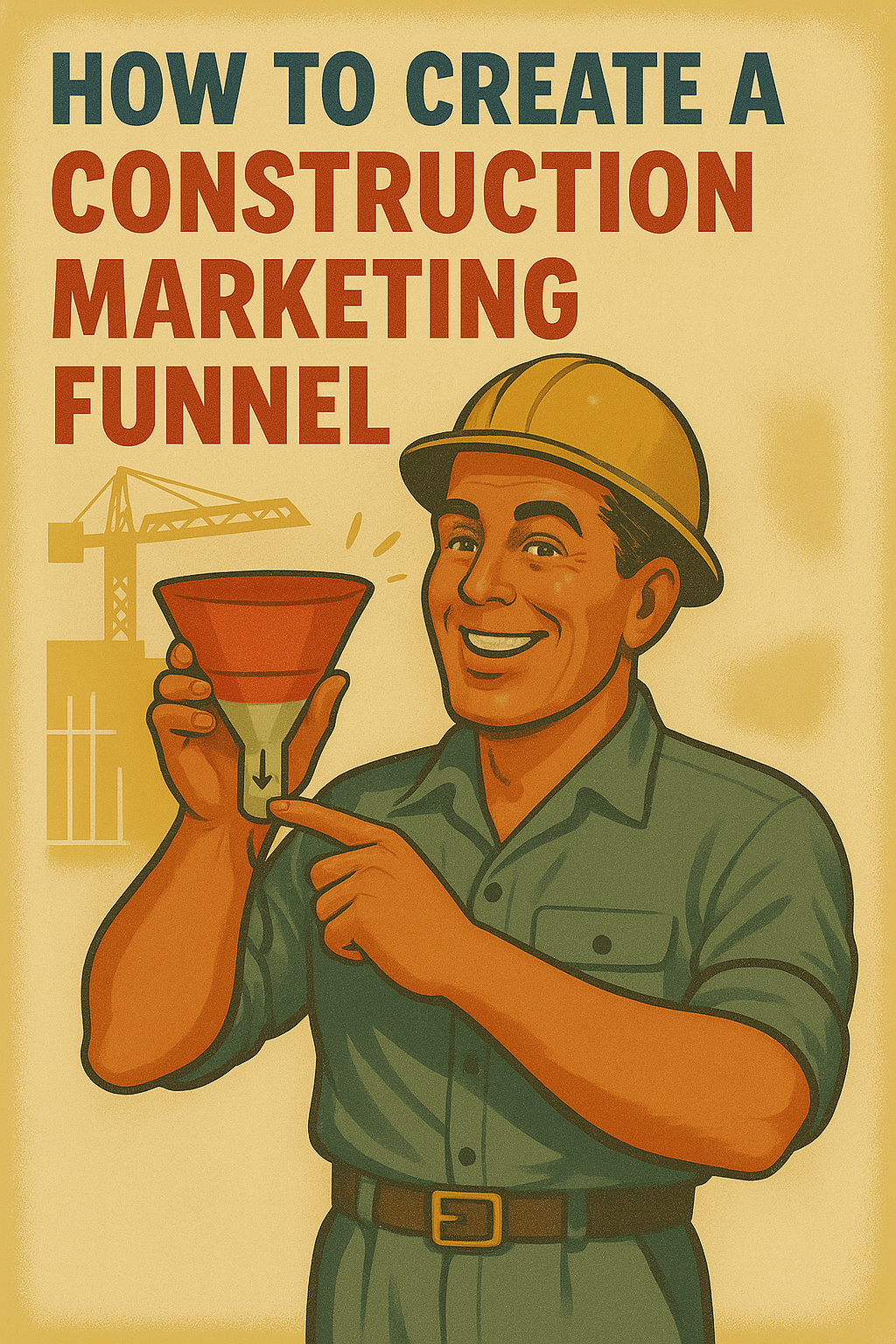
Your phone rings at 7 AM. Another potential client asking about a kitchen remodel. You take the call, send a quote, and then… nothing. Sound familiar? Most construction companies treat marketing like throwing spaghetti at a wall – they try random tactics hoping something sticks. But successful contractors know the secret: building a marketing funnel that works while you sleep.
Think of a marketing funnel like a well-designed building foundation. You wouldn’t start construction without proper groundwork, so why approach marketing without a solid system? A construction marketing funnel guides prospects from “never heard of you” to “when can you start?” automatically, consistently, and predictably.
What Makes a Construction Marketing Funnel Different
Construction marketing isn’t like selling t-shirts online. Your clients make major financial decisions that affect their biggest investment – their homes or businesses. The sales cycle is longer, the trust factor is higher, and the competition is fierce. Your marketing funnel needs to address these unique challenges.
Unlike quick impulse purchases, construction projects require multiple touchpoints before clients feel comfortable moving forward. People need to see your work, understand your process, and trust your expertise before they’ll let you into their homes with power tools. Your funnel must nurture these relationships over weeks or months, not hours.
The Architecture of a Never-Ending Marketing Funnel
Every effective construction marketing funnel has four essential stages, like floors in a building. Each level serves a specific purpose and supports the next stage.
Foundation Stage (Awareness): This is where potential clients first discover your business. They might not even know they need your services yet, but they’re starting to notice problems or consider improvements.
Framing Stage (Interest): Prospects now understand they need construction services and are researching their options. They’re comparing contractors, gathering information, and building confidence in their decision.
Finishing Stage (Consideration): Clients are ready to make decisions. They’re requesting quotes, checking references, and evaluating proposals. This stage separates serious buyers from casual browsers.
Move-In Stage (Conversion): The prospect becomes a paying client. But your funnel doesn’t stop here – satisfied clients become your best source of referrals and repeat business.
Building Your Foundation: Awareness Stage Strategies
Your awareness stage acts like a beacon, attracting people who might need your services. Local SEO forms the cornerstone of this stage. When someone searches “contractors near me” or “kitchen remodel [your city],” you want to appear first.
Google My Business optimization is crucial here. Keep your profile updated with recent photos, respond to reviews promptly, and post regular updates about completed projects. This free tool often generates more leads than expensive advertising.
Content marketing builds awareness while demonstrating expertise. Create helpful blog posts about common construction challenges, seasonal maintenance tips, and design trends. When people search for information, they find your expertise first.
Social media platforms, especially Facebook and Instagram, let you showcase your work visually. Share before-and-after photos, time-lapse videos of projects, and behind-the-scenes content that humanizes your business. Consistency matters more than perfection – regular posting builds familiarity and trust.
Framing Interest: Moving Prospects to the Next Level
Once people know you exist, you need to capture their interest and contact information. Lead magnets work perfectly for this stage. Offer valuable resources like “10 Questions to Ask Before Hiring a Contractor” or “Kitchen Remodel Cost Calculator” in exchange for email addresses.
Email marketing nurtures these leads over time. Send weekly newsletters featuring project spotlights, helpful tips, and client testimonials. This keeps your business top-of-mind when prospects are ready to move forward.
Video content accelerates the relationship-building process. Create simple videos explaining your process, showing completed projects, and introducing team members. People hire people they like and trust, and video builds these connections faster than text.
Webinars and virtual consultations provide high-value touchpoints that demonstrate expertise while qualifying leads. Host monthly sessions covering topics like “Planning Your Dream Kitchen” or “Bathroom Renovation Mistakes to Avoid.”
Finishing Strong: Converting Interest to Action
The consideration stage is where prospects evaluate their options and make decisions. Your funnel must provide the information and reassurance they need to choose your company.
Case studies and detailed project galleries showcase your capabilities better than generic marketing messages. Include challenges you faced, solutions you provided, and results you achieved. This demonstrates problem-solving skills and builds confidence.
Client testimonials and reviews provide social proof that reduces risk perception. Feature testimonials prominently on your website, include them in proposals, and share them on social media. Video testimonials are particularly powerful because they feel more authentic.
Free consultations or estimates remove barriers to engagement. Make it easy for prospects to take the next step by offering no-obligation meetings. Use these opportunities to assess needs, provide value, and build relationships.
Clear calls-to-action guide prospects toward conversion. Every piece of content should include obvious next steps, whether it’s scheduling a consultation, requesting a quote, or downloading additional resources.
The Move-In: Conversion and Beyond
Converting prospects to clients isn’t the end of your funnel – it’s the beginning of a new relationship. Your post-conversion process should create satisfied clients who become advocates for your business.
Project communication keeps clients informed and engaged throughout the construction process. Regular updates, photo documentation, and milestone celebrations maintain positive relationships and reduce anxiety.
Follow-up sequences after project completion ensure satisfaction and encourage reviews. Send thank-you messages, request feedback, and provide maintenance tips. This attention to detail sets you apart from competitors who disappear after final payment.
Referral programs incentivize satisfied clients to recommend your services. Offer incentives for successful referrals, make it easy to refer friends, and always thank clients who send business your way.
Automation: Making Your Funnel Work 24/7
Manual marketing funnels break down when you get busy with projects. Automation ensures your funnel continues working even when you’re swinging hammers instead of sending emails.
Email automation sequences nurture leads without constant attention. Set up welcome series for new subscribers, follow-up sequences for consultation requests, and re-engagement campaigns for dormant leads.
Social media scheduling tools maintain your online presence consistently. Batch create content monthly, schedule posts in advance, and use automation to engage with followers.
Customer relationship management (CRM) systems track leads through your funnel and remind you when follow-up is needed. This prevents prospects from falling through cracks and ensures consistent communication.
Measuring and Optimizing Your Funnel
A marketing funnel without measurement is like building without blueprints. Track key metrics at each stage to identify strengths and weaknesses.
Website analytics reveal which content attracts visitors and where they drop off. Use this data to optimize underperforming pages and create more content around successful topics.
Email marketing metrics show open rates, click-through rates, and conversion rates. Test different subject lines, content formats, and send times to improve performance.
Lead conversion tracking identifies which marketing channels generate the highest-quality prospects. Focus your efforts on the most profitable activities and eliminate ineffective tactics.
Common Funnel Mistakes to Avoid
Don’t try to build your entire funnel overnight. Start with one stage, perfect it, then move to the next. Attempting everything at once leads to mediocre results across all areas.
Avoid generic messaging that could apply to any contractor. Your funnel should highlight what makes your company unique and why clients should choose you over competitors.
Don’t neglect existing clients while chasing new ones. Past clients are your best source of referrals and repeat business. Include them in your funnel strategy.
Creating Sustainable Growth
A well-designed construction marketing funnel creates predictable, sustainable growth. Instead of feast-or-famine cycles, you’ll maintain steady lead flow that supports consistent revenue.
The key is patience and persistence. Marketing funnels take time to build momentum, but once they’re working, they provide reliable results with minimal ongoing effort.
Ready to Build Your Marketing Foundation?
Creating a construction marketing funnel that never stops working requires the right strategy, consistent execution, and ongoing optimization. Like any construction project, success depends on having a solid foundation and quality craftsmanship throughout the process.
Your website serves as the central hub for your marketing funnel, directing traffic and converting visitors into leads. If you’re not sure how effectively your current site supports your funnel strategy, get a free homepage review to identify opportunities for improvement and better lead conversion.
For a comprehensive assessment of how all your marketing funnel components work together – from awareness generation to client conversion – consider a 10-point marketing checkup. This detailed analysis will help you identify gaps in your funnel and create an action plan for sustainable growth.
Remember, the best time to build your marketing funnel was yesterday. The second-best time is today. Start with one stage, do it well, and gradually build a system that generates quality leads while you focus on what you do best – creating amazing construction projects.